Vietnamese Heritage Stories and Local Roots

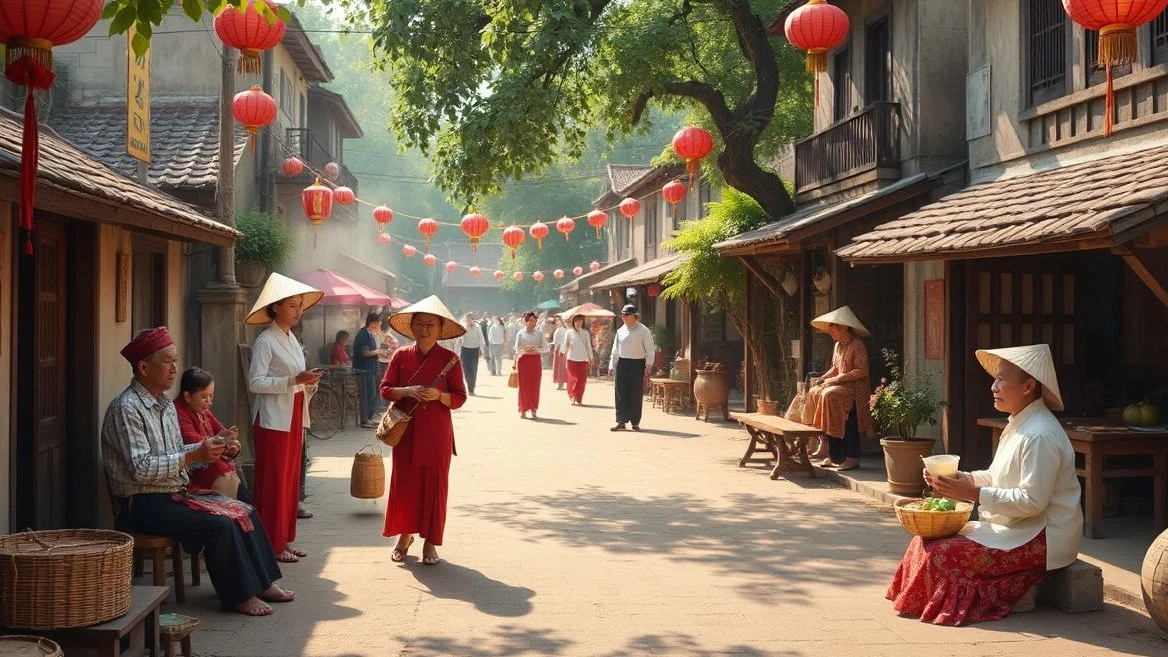
Vietnam is not just a destination you visit; it is a narrative you step into. Every street corner, marketplace, and riverside village whispers fragments of history that refuse to fade. When you slow down and observe closely, you begin to notice how culture here is not preserved in silence, it is actively lived, shaped, and retold by its people every single day.
In today’s interconnected world, global audiences are increasingly drawn to heritage storytelling Asia, where Vietnam stands as one of the most compelling cultural tapestries. Within this evolving landscape, Vietnam cultural roots stories emerge as a powerful bridge between ancient identity and modern digital discovery, especially as global marketplaces amplify cultural visibility in unprecedented ways.
Deep History Behind Vietnamese Cultural Identity
Vietnam’s cultural foundation is not a single thread but a woven fabric of dynasties, philosophies, and external influences that have shaped its identity for thousands of years. To understand it is to understand how resilience and adaptation coexist in every layer of society.
The evolution of heritage storytelling Asia becomes especially visible when examining how Vietnam preserved identity through centuries of transformation. This history is not frozen in time, it actively informs how people think, celebrate, and connect today.
Ancient dynasties and cultural evolution
Vietnam’s dynastic eras built the backbone of governance, education, and moral structure. From early kingdoms to imperial courts, each period contributed to a layered identity where cultural memory was carefully recorded and passed forward. As historian Dr. Nguyễn Minh Tâm notes, “Vietnamese civilization survives because it learns to evolve without losing its ancestral rhythm.”
Influence of Chinese and Southeast Asian heritage
Cultural exchange played a defining role in shaping Vietnam’s identity. Confucian values blended with indigenous traditions, creating a hybrid cultural system that balances structure with spiritual depth. This intersection explains why Vietnam cultural roots stories feel both familiar and uniquely distinct in Southeast Asia.
Preservation of historical sites and traditions
Ancient cities like Huế and Hội An continue to function as living cultural archives. According to cultural researcher Jean-Pierre Laurent, “Vietnam preserves history not by isolating it, but by embedding it into daily life.” This philosophy ensures that heritage remains functional rather than ornamental.
Local Stories from Communities Across Vietnam
To truly understand Vietnam, you must step away from grand narratives and listen to the smaller, quieter stories spoken in villages, kitchens, and local markets. These are the spaces where heritage breathes most naturally.
Here, Vietnam cultural roots stories are not abstract concepts, they are lived realities passed through generations, often without written documentation but with profound emotional continuity.
Rural village traditions and daily life narratives
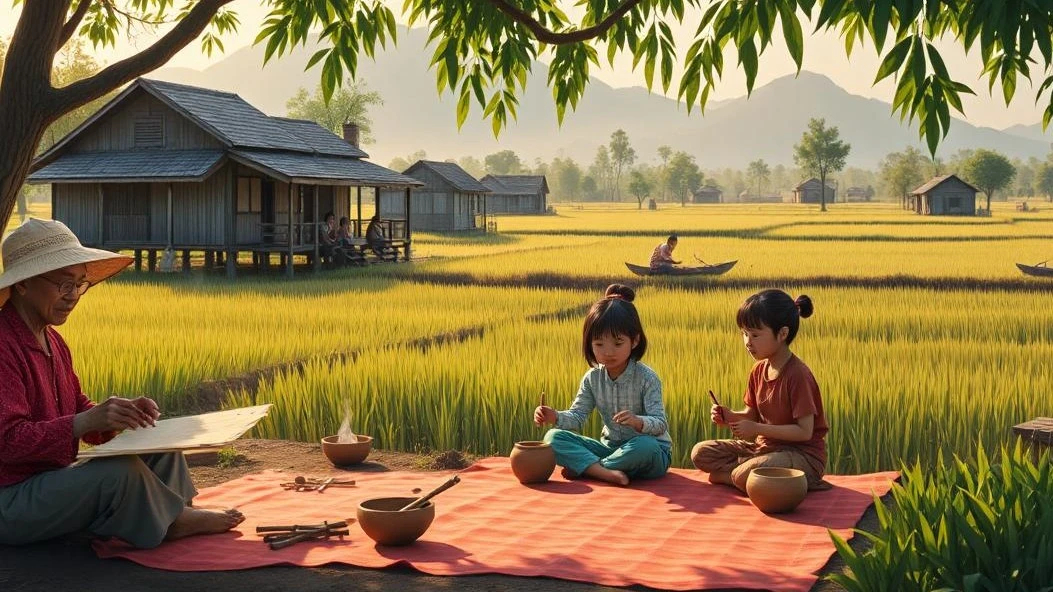
In rural communities, life is governed by seasonal cycles, agricultural rituals, and communal cooperation. Festivals and harvest ceremonies are not performances for outsiders; they are essential cultural systems that sustain social harmony.
Oral storytelling and folk legends
Stories such as river spirits, mythical kings, and sacred lakes continue to circulate in oral traditions. These narratives serve as moral guides and cultural anchors, shaping behavior and identity across generations.
Family heritage and generational values
Family lineage remains central in Vietnamese society. Respect for ancestors is not symbolic, it is practiced daily through rituals and remembrance. These values reinforce the continuity of heritage storytelling Asia, where family becomes the first classroom of cultural identity.
Cultural Symbols and National Identity
Symbols in Vietnam carry meaning far beyond aesthetics. They function as coded expressions of identity, memory, and belonging that connect individuals to a shared cultural consciousness.
The influence of heritage storytelling Asia becomes visible through clothing, rituals, and craftsmanship that continue to define Vietnam’s cultural identity in both local and global contexts.
Traditional clothing and its meanings
The Áo Dài is more than traditional attire; it is a symbol of grace, discipline, and cultural pride. Its continued presence in modern fashion reflects how tradition adapts without losing authenticity.
Sacred rituals and spiritual beliefs
Spiritual practices, from ancestor worship to temple offerings, create a continuous dialogue between the past and present. These rituals preserve Vietnam cultural roots stories, reinforcing a deep sense of belonging and continuity.
Local arts, crafts, and symbolic craftsmanship
Handicrafts such as silk weaving and ceramics from Bát Tràng have gained international recognition. As artisan collective leader Lê Quang Huy explains, “Every handmade object carries a memory of its maker, it is culture shaped by human touch.” This sentiment captures how heritage enters global marketplaces without losing its essence.
Discover the True Roots of Vietnamese Heritage Today
Modern Vietnam stands at a fascinating intersection where tradition meets digital transformation. Heritage is no longer confined to physical geography; it now travels through global marketplaces, digital platforms, and cultural exchange networks that amplify its reach.
Within this evolving system, heritage storytelling Asia becomes a dynamic force shaping how culture is shared, consumed, and understood across borders. You are no longer just observing heritage, you are interacting with it through technology, commerce, and storytelling ecosystems.
The expansion of Vietnam cultural roots stories into digital spaces reflects a broader shift: cultural identity is now both preserved and reinterpreted through global visibility. This transformation ensures that heritage remains alive, relevant, and economically sustainable for future generations.
Cultural economist Dr. Elena Rossi once stated, “When heritage enters the marketplace, its survival depends on storytelling integrity.” This idea reinforces the importance of maintaining authenticity even as culture becomes globally accessible.